
2 March 2026, 19:00 GMT
Digital technologies and democracy
How has digital technology - from social media to algorithmic targeting - shaped democratic outcomes?
In this opening event, artist and human rights researcher Caroline Sinders is joined by educator and researcher David Carroll and journalist, artist and filmmaker Kari Paul to examine the intended and unintended consequences of digital campaigning and the role of technology in global elections.
During the 2016 Brexit Referendum, the Cambridge Analytica scandal exposed the use of harvested data and algorithmic profiling to influence voter behaviour. A decade on, data-driven campaigning plays an even greater role in democracies worldwide.
Paul has worked in journalism for over ten years, covering platform power and digital culture for outlets including The Guardian, BBC, and VICE. Her work examines surveillance capitalism and personal data vulnerability. After a career in commercial digital media, Carroll moved into academia and later brought a landmark legal challenge against Cambridge Analytica in the UK over mass data abuse linked to the 2016 US Presidential Election.
Using 2016 as a case study, the conversation explores the growing entanglement of democracy and technology, and what it means for our political future.
5 March 2026, 19:00 GMT
The Politics of Emotion
How do digital platforms amplify emotional messaging and influence behaviour and decision-making?
For the second conversation in the series, artist and human rights researcher Caroline Sinders will be joined by psychiatrist and clinical research fellow Dr Romy Gad el Rab and independent advisor and strategist Tanya O’Carroll to explore technologies' impact on political behaviours, attitudes and democracy.
Since 2015, internet usage has been rising rapidly and from 2020 stood at 92% of the UK voting age population. In tandem, British elections since 2015 have seen the largest numbers of voters switching their political standing.
The Cambridge Analytica Scandal exposed the ease and opportunities for behavioural engineering within the online landscape, but to what extent are voters susceptible to such manipulation.
Gad el Rab’s research focuses on the effects of technology on our mental health. O’Carroll is a senior fellow at Foxglove, a non-profit organisation fighting to build a fair tech future, where she has recently successfully sued Facebook to challenge its harmful model of surveillance advertising.
The panel will discuss how political messages are crafted to appeal to our emotions, and the consequences of this on public discourse and democratic processes.
9 March 2026, 19:00 GMT
Regulating the Digital Sphere
As policy struggles to keep pace, what do emerging regulations mean for platforms and everyday users?
For the final conversation in the series, artist and human rights researcher Caroline Sinders will be joined by technology policy analyst Aparna Surendra and writer and activist Jilian C. York to explore the current effectiveness of technological regulation and what this means for the general population making sense of these policies in their everyday lives.
With regulation of online platforms changing significantly in recent years through the introduction of EU Digital Services Act (2022), the UK Online Safety Act (2023) and the Online Criminal Harms Act (2023) in Singapore, the panel will explore these shifts and discuss platform accountability and the future of digital governance.
York is a researcher in technology and policy, platform accountability, and freedom of expression online. Surendra is a manager at AWO Agency, a law firm and consultancy that empowers individuals and organisations to uphold data rights and effect change in data protection and digital policy.
The panel will consider what a human rights-based approach to platform regulation and content governance could look like.
About the speakers
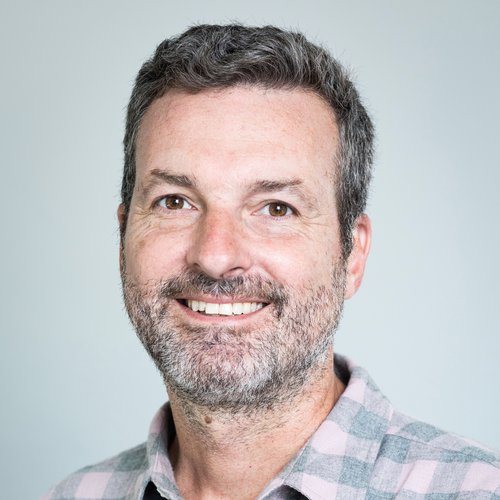
David Carroll is a design and technology educator and researcher exploring the intersections of advertising, media, data, surveillance, privacy, platforms, interfaces, democracy, and cultures. Carroll’s legal challenge of the Cambridge Analytica companies under UK data protection law is documented in The Great Hack (Netflix 2019) and Trumping Democracy (Spicee 2018). Since 2023, Carroll has co-directed the Parsons MFA Design & Technology program. He is the recipient of Law and Philosophical Society prizes from Trinity College, Dublin. Carroll is on the board of Check My Ads Institute and administers federate.social in service to the field. He posts as @davidcarroll.org on Bluesky.
Image credit: New School
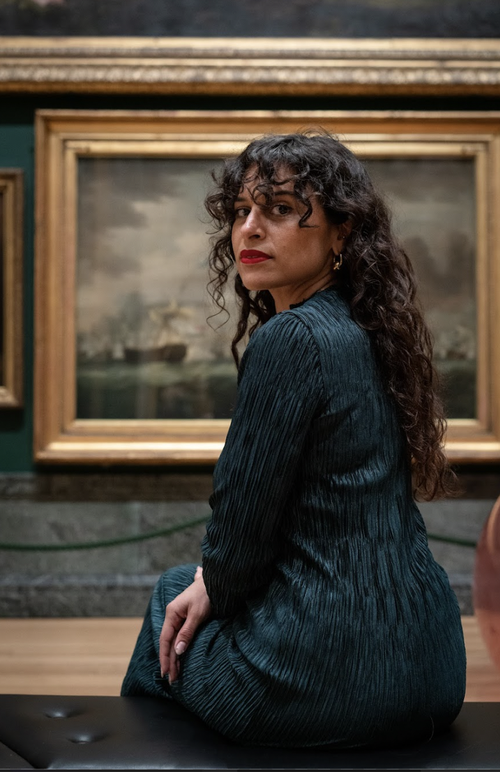
Dr Romy Gad el Rab is a Psychiatrist, and clinical research fellow at the Institute of Psychiatry, Psychology & Neuroscience, King's College London. Having trained in both medicine and design she works on projects that examine the human impact of the design process. She is a resident at Somerset House Studios as part of Hyphen-Labs, an international team of artists, engineers, scientists and architects, creating at the intersection of art and emerging technology.
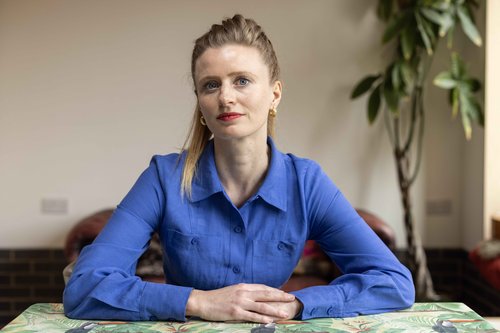
Tanya O’Carroll is an independent advisor, strategist and leader focused on tech accountability, human rights and social justice. She is a Senior Fellow at Foxglove and works as a consultant for a wide range of NGOs and philanthropic organisations. She is a Strategic Advisor to the Meliore Foundation, where she is helping to catalyze a portfolio of new strategic initiatives focused on making technology work for people and the planet. She previously co-founded and led Amnesty Tech and ‘People vs Big Tech’.
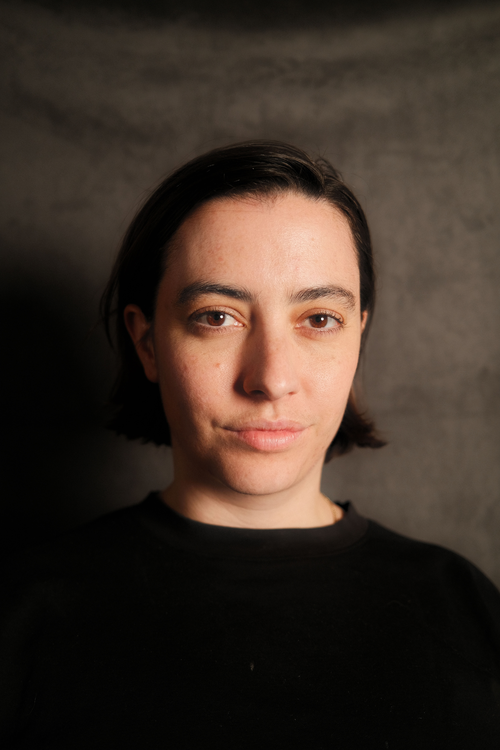
Kari Paul is a journalist, artist, and filmmaker based in Paris, France whose work explores memory and the archive through the lens of social media, materializing digital ephemera through textile practices. Drawing on a career covering platform power and digital culture for outlets including The Guardian, BBC, and VICE her work examines surveillance capitalism and personal data vulnerability. She is currently completing her MFA in Transdisciplinary New Media at Paris College of Art.
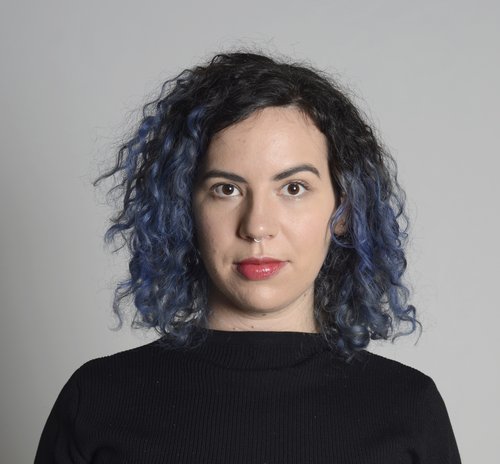
Caroline Sinders is an award winning critical designer, researcher, and artist. They’re the co-founder and executive director of the human rights research and technology lab, Convocation Research + Design. For over the past decade, they have been examining the intersections of human rights, artificial intelligence, intersectional justice, harmful design, and systems in technology and digital platforms. They’ve worked with the Tate Exchange at the Tate Modern, the United Nations, the UK’s Information Commissioner's Office, the European Commission, Ars Electronica, the Harvard Kennedy School and others. Caroline is currently based between London, UK and New Orleans, USA.
Image credit: Sarah Wang
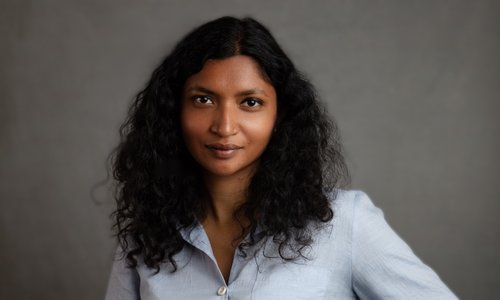
Aparna Surendra is a technology policy analyst at AWO Agency, a law firm and consultancy that empowers individuals and organisations to uphold data rights, comply with the law and effect change in data protection and digital policy. Surendra leads AWO’s algorithm governance workstream and oversees research projects focused on emerging technologies, including AI. She has served on the Program Committee for the ACM Conference on Fairness, Accountability, and Transparency and is a member of RealML, a collaborative expert workshop investigating the social impacts of algorithmic systems. Alongside technology policy, Aparna writes fiction. She is currently in residence at Somerset House Studios, and has previously held residencies at Tin House and the London Library.
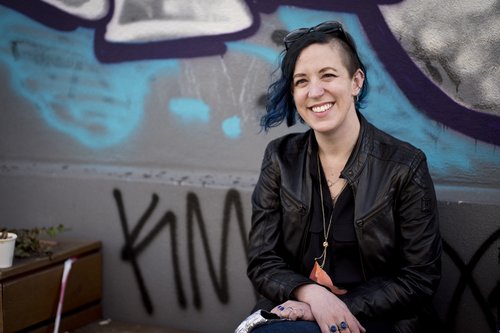
Jillian C. York is a writer and activist whose work examines the impact of technology on our societal and cultural values. Based in Berlin, she is the Director for International Freedom of Expression at the Electronic Frontier Foundation, a fellow at the Center for Internet & Human Rights at the European University Viadrina, a visiting professor at the College of Europe Natolin, and the author of Silicon Values: The Future of Free Speech Under Surveillance Capitalism (Verso 2021).
About The Last X Years
The Last X Years is a digital project by artist and poet Jay Bernard, where participants shared a range of perspectives and reflected on how they and the country changed during this turbulent time. These conversations sit at the heart of the project and are presented in a familiar broadcast format. Visit the artwork here, or find out more about The Last X Years here.