Mary Lemley
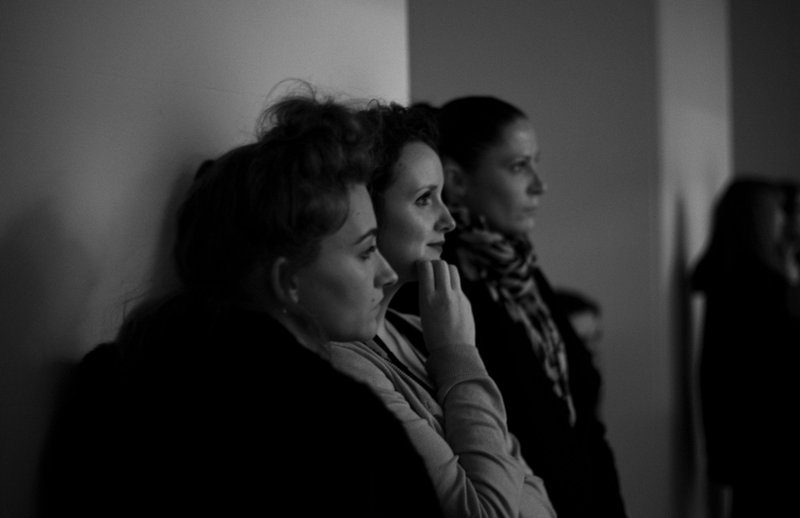
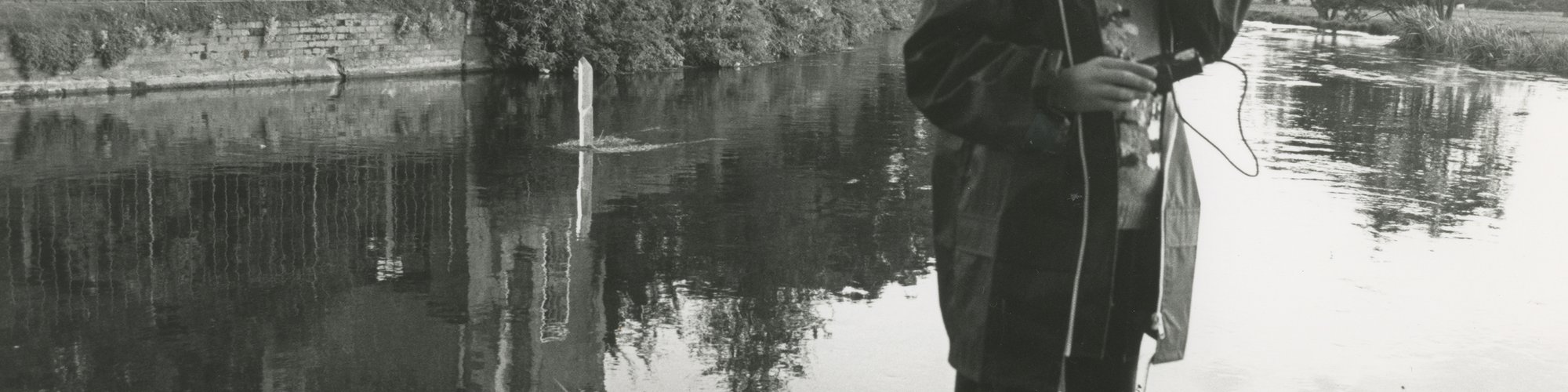
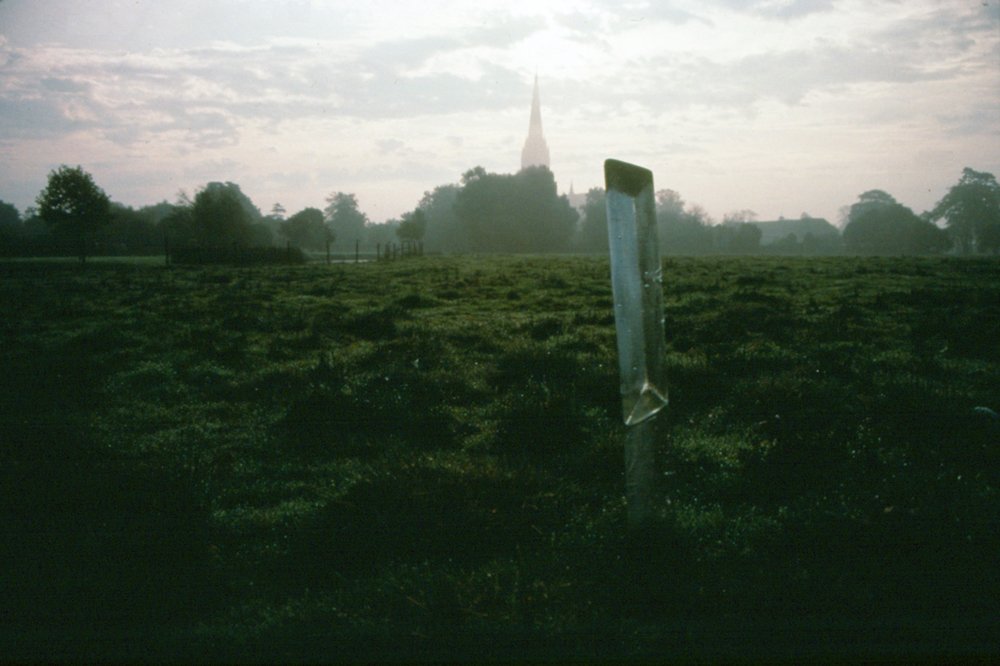
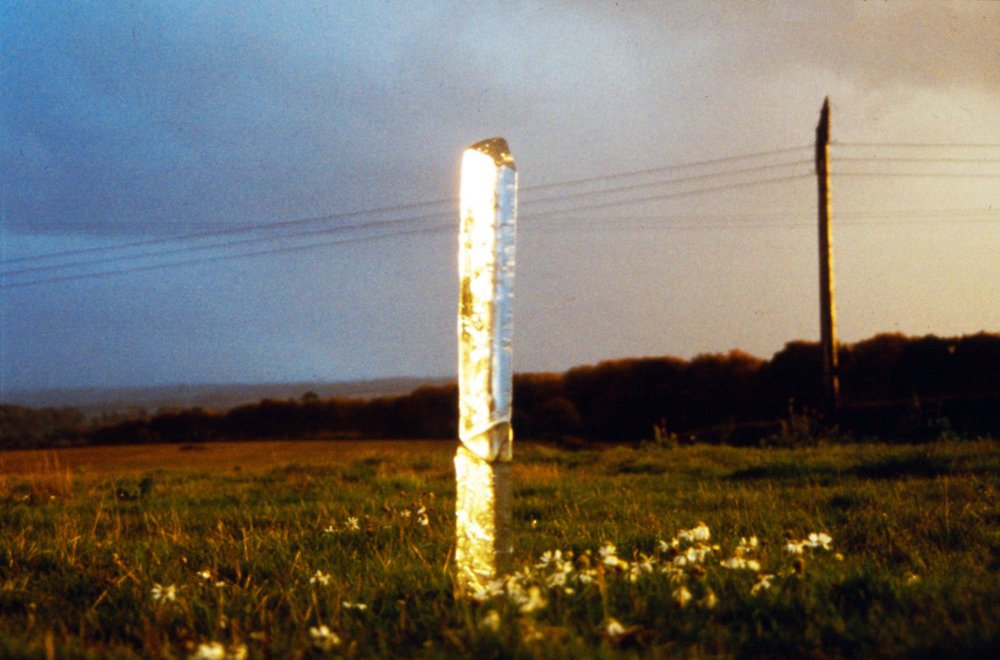
Mary Lemley is an artist, writer and filmmaker working with installation and performance. Born in Pittsburgh, Pennsylvania, she spent 7 years in NYC during which her exhibitions and performances included work in the New Museum and the Kitchen, as well as working with Colab (Collaborative Projects). She has lived and worked in London since 1984 where her exhibitions and projects have included These Fragments We have Shored Against Our Ruins (1992) which worked directly with the tides of the Thames and its 14 forgotten tributaries; Listening Grounds, Lost Acres(1994) with Graeme Miller which mapped 100 square miles of landscape in and around Salisbury through a bookwork, a sound installation and glass markers; and various versions of the ongoing My Life in Hackney Part One - in which she has systematically surveyed the contents of a Council flat in Hackney through digital photographs of 10,000 objects. This was most recently exhibited in Kettles Yard, Cambridge in Upside Down/Inside Out during August/September 2009. Lemley is currently in post-production on the film “something it is like to be. . . “ made in collaboration with her stepson who has autism and funded by the Wellcome Trust. The film provokes and questions our understanding of autism and art.
Since Novemeber 2009 she has been artist-in-residence at the HMS Ganges Museum in Suffolk as a part of Commissions East international arts programme called Fleet with Lead Artist Gavin Turk.
Graeme Miller
Graeme Miller emerged as a theatre maker in the 1980s and now works in sound, stage, installation and art. Theatre productions include the award-winning productionA Girl Skipping, sound installations The Sound Observatory and films Lost Sound with artist-filmmaker John Smith. A recent a semi-permanent sound installation in East London - Linked - used the voices of people lived where the M11 link road now runs; and Bassline, a sound installation and video projection originally created for the Vienna Festival, was shown at the Barbican in 2009.
Image: Listening Ground / Lost Acres, 1994. Photograph: unknown.
The Act of Remembering
By Mary Lemley, 2002
The act of remembering, going down Memory Lane, corresponds with the research into memory, attention and consciousness that I am engaged in for a new piece of work.
A beginner's knowledge and enthusiasm in the exploration of the map of the brain has a parallel with my own physical exploration of an O.S. Map of Wiltshire eight years ago.
Maps are only possibility on paper needing to be sketched out, then fleshed out to become internal. It is good to start the journey with simplicity. Brain maps make use of cross-sections to reveal the functions of brain. The cut clarity of cross-sections I can compare to walking the ley line in Listening Ground. Yet to let go of the sliced image and try to encompass the whole pattern of brain activity, is to glimpse the exquisite phenomena that is within this moment of thought. That is what I aimed at in Lost Acres. By tracing and re-tracing the countless combinations of routes and places that the guidebook ensured – walking the work would generate long term memories. Functioning as a kind of metaphor of the mind while altering its internal pathways.
For an audience, Listening Ground / Lost Acres was a 100 square mile memory theatre of place, which they had to enact. The further they went, the more time they took to trod the map, the closer they came to the work itself. It was not to be found in a mere three hours. Listening Ground / Lost Acres was elusive, being the sum of its markers and listening posts.
I am not sure if anyone, including Graeme, made their way through all the paths to all the places on our map. I almost did. Is it possible that Listening Ground / Lost Acresnever truly existed? Maybe it is still only a map waiting to live on in another's consciousness.
Alignment
By Graeme Miller, 2002
A line. A mean.
Is what a line means what a line meant?
Alignment.
Pedalling up the City Road, as one does, dodging traffic, a glimpse over to the right, as I usually do. Here the City Road Canal Basin opens out the view to the plush hill of Islington. Two spires are moving in the opposite direction – presumably tracking off to Old Street – although I never see if they ever get there as this is a short excerpt from their journey. The further church makes a stately transit across the stage, while in front, the nearer and faster steeple glides powerfully from behind with a speed and determination that means overtaking is inevitable. The churches enact their usual chase with the same result, but at the exact moment their pointy-bits come together, there a keen flash of exactness. It is my snapshot of the landscape taken at the exact same moment that an ultra long lens sniping from the far distant point of parallax captures me struggling up the hill.
It is a habit held from walking and re-walking the line of 18 transmitters in Salisbury eight years ago. I still retain snaps from this time and can see Cathedral spire intersecting Old Sarum’s mound. It is also a snap of me in a line of beech and holly trees looking out.
Marking a straight line on the ground, the surveyor lines his eye against two sticks and, in doing so, becomes a kind of third stick. Measurer measured. Experimenter part of the experiment. Spy spotted.
Hindsighting, Listening Ground’s steel-rule line and map-eye view yielded in its walking to the pervading sense of Lost Acres’ shuffleable guidebook and scattered markers – that you were always centre to a new frame.
Image: Map from Listening Ground / Lost Acres, 1994.
Who made this possible?
Credits
Listening Ground / Lost Acres was co-commissioned by Artangel and the Salisbury Festival and produced by Arts Admin.
Artangel is generously supported by Arts Council England, and by the private patronage of The Artangel International Circle, Special Angels, Guardian Angels and The Company of Angels.