
As policy struggles to keep pace, what do emerging regulations mean for platforms and everyday users?
For the final conversation in the series, artist and human rights researcher Caroline Sinders will be joined by technology policy analyst Aparna Surendra and writer and activist Jillian C. York to explore the current effectiveness of technological regulation and what this means for the general population making sense of these policies in their everyday lives.
tlxy.io
The Last X Years
Between 2021-2024, artist Jay Bernard travelled around the UK interviewing people of all ages and backgrounds, asking what they remember about the 2016 EU referendum. Participants shared a range of perspectives and reflected on how they and the country changed during this turbulent time. The resulting artwork can be accessed online at tlxy.io. Find out more about the artwork here.
With regulation of online platforms changing significantly in recent years through the introduction of EU Digital Services Act (2022), the UK Online Safety Act (2023) and the Online Criminal Harms Act (2023) in Singapore, the panel will explore these shifts and discuss platform accountability and the future of digital governance.
York is a researcher in technology and policy, platform accountability, and freedom of expression online. Surendra is a manager at AWO Agency, a law firm and consultancy that empowers individuals and organisations to uphold data rights and effect change in data protection and digital policy.
The panel will consider what a human rights-based approach to platform regulation and content governance could look like.
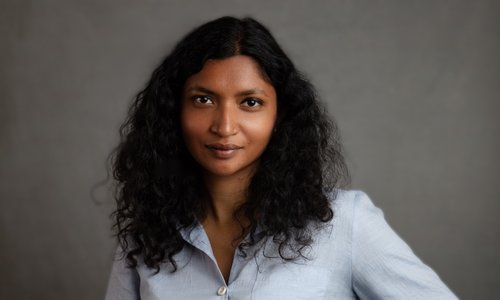
Aparna Surendra is a technology policy analyst at AWO Agency, a law firm and consultancy that empowers individuals and organisations to uphold data rights, comply with the law and effect change in data protection and digital policy. Surendra leads AWO’s algorithm governance workstream and oversees research projects focused on emerging technologies, including AI. She has served on the Program Committee for the ACM Conference on Fairness, Accountability, and Transparency and is a member of RealML, a collaborative expert workshop investigating the social impacts of algorithmic systems. Alongside technology policy, Aparna writes fiction. She is currently in residence at Somerset House Studios, and has previously held residencies at Tin House and the London Library.
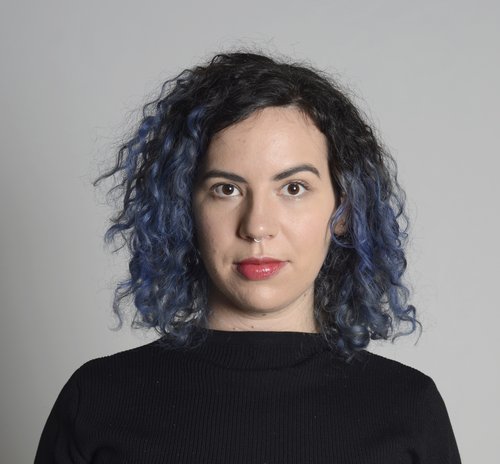
Caroline Sinders is an award winning critical designer, researcher, and artist. They’re the co-founder and executive director of the human rights research and technology lab, Convocation Research + Design. For over the past decade, they have been examining the intersections of human rights, artificial intelligence, intersectional justice, harmful design, and systems in technology and digital platforms. They’ve worked with the Tate Exchange at the Tate Modern, the United Nations, the UK’s Information Commissioner's Office, the European Commission, Ars Electronica, the Harvard Kennedy School and others. Caroline is currently based between London, UK and New Orleans, USA.
Image credit: Sarah Wang
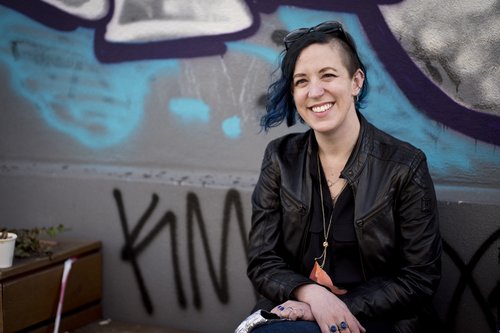
Jillian C. York is a writer and activist whose work examines the impact of technology on our societal and cultural values. Based in Berlin, she is the Director for International Freedom of Expression at the Electronic Frontier Foundation, a fellow at the Center for Internet & Human Rights at the European University Viadrina, a visiting professor at the College of Europe Natolin, and the author of Silicon Values: The Future of Free Speech Under Surveillance Capitalism (Verso 2021).